

Anandamide: The Endocannabinoid Behind Mood, Pain, and Balance
Anandamide—scientifically named N-arachidonoylethanolamine (AEA)—is often referred to as the “bliss molecule.” It’s a naturally produced fatty acid neurotransmitter that interacts with the same cannabinoid receptors affected by compounds in hemp and cannabis. While it only exists in the body for brief periods, its impact can shape how we manage stress, maintain internal balance, and respond to everyday stimuli.
First isolated in 1992 by researcher Raphael Mechoulam, anandamide’s name draws from the Sanskrit word ananda, meaning joy or delight. Although fleeting, its presence within the endocannabinoid system (ECS) reveals how finely tuned our bodies are to internal signaling for emotional and physical homeostasis.

Anandamide’s Role in the Body
The ECS is a complex communication network involved in regulating mood, appetite, discomfort sensation, and immune signaling. Anandamide plays a key role in this setup by binding to CB1 and CB2 cannabinoid receptors and TRPV1 receptors, which are involved in thermoregulation and sensory processing.
CB1 receptors are concentrated in the central nervous system and help influence how the brain processes emotion and memory. CB2 receptors are mostly found in immune-related tissues, while TRPV1 channels – often linked with the body’s heat response – also contribute to how we interpret certain sensations. Anandamide’s ability to interact with all three suggests it acts as a modulator across multiple systems, promoting internal equilibrium.

Production and Breakdown
Anandamide is produced on demand from membrane phospholipids through the enzyme NAPE-PLD. Its production often coincides with heightened neural activity or physical strain. Once its signal is delivered, the FAAH enzyme (fatty acid amide hydrolase) rapidly breaks it down. This swift degradation limits its duration but helps the body remain responsive to fluctuating conditions.
Emotional Regulation and Everyday Stress

Anandamide is associated with the body’s natural stress-buffering mechanisms. It interacts with neurotransmitter systems that regulate emotional processing. While not a treatment for anxiety or depression, studies suggest that higher anandamide levels are correlated with more balanced emotional responses in some settings.
For instance, the Proceedings of the National Academy of Sciences reported that lower anandamide levels during periods of psychological stress may be associated with heightened discomfort sensitivity
Sensory Balance and Discomfort Response
In certain contexts, anandamide interacts with receptors in the brain and body that influence how we perceive discomfort. While it doesn’t directly suppress pain like pharmaceutical interventions, AEA is involved in regulating how the nervous system transmits signals.
It’s important to note that these interactions are still under investigation. Resources like the NIH cannabinoid research portal provide background on how endogenous cannabinoids contribute to sensory regulation.
Adaptability, Learning, and Memory

Emerging research suggests that anandamide plays a part in adaptive thinking, especially under dynamic conditions. The hippocampus—a brain region central to learning and memory – relies on endocannabinoid signaling for neural plasticity.
While more studies are needed to fully understand these links, preliminary data from Nature Reviews Neuroscience indicate that anandamide may support neuroplasticity – the brain’s ability to filter, adapt, and prioritize information, especially under cognitive load.
Exercise and Endocannabinoid Activity

Exercise has been shown to increase levels of anandamide, offering a possible explanation for the so-called runner’s high. Contrary to earlier beliefs that endorphins were solely responsible, researchers now credit endocannabinoids like AEA with producing a sense of post-exercise euphoria.
A study published in the Journal of Experimental Biology found elevated AEA levels after 30 minutes of moderate-intensity aerobic activity. These findings have made the ECS a focus for understanding how movement supports mental well-being.
🥑 Nutritional Strategies to Support Anandamide (AEA)
Several food sources and nutrients may support anandamide production or preservation through natural biochemical pathways:

✅ 1. Dark Chocolate (Cocoa)
- Contains N-acylethanolamines (NAEs) that resemble anandamide.
- Includes theobromine and phenylethylamine, which may enhance mood and neuroactivity.
- May inhibit FAAH, allowing anandamide to remain active longer.
✅ 2. Black Truffles
- Contain natural anandamide-like compounds.
- Although they don’t stimulate production, their structural mimicry may support ECS signaling.
✅ 3. Green Tea (EGCG)
- Rich in epigallocatechin gallate (EGCG), a polyphenol shown to inhibit FAAH in animal studies.
- Supports anti-inflammatory pathways that preserve ECS balance.
✅ 4. Berries & Grapes (Resveratrol)
- High in resveratrol and anthocyanins, which modulate inflammatory and oxidative stress pathways.
- May indirectly support endocannabinoid tone by reducing FAAH expression in certain models.
✅ 5. Turmeric (Curcumin)
- Curcumin may increase CB1 receptor sensitivity and has shown neuroprotective effects in preclinical ECS models.
- Known FAAH and COX-2 modulator.
✅ 6. Omega-3 Fatty Acids (DHA & EPA)
- Found in fatty fish (sardines, salmon), chia seeds, walnuts, and flax.
- Essential for endocannabinoid precursor synthesis.
- May help maintain ECS receptor function and reduce systemic inflammation.
✅ 7. Broccoli & Cruciferous Vegetables
- Contain sulforaphane, which modulates brain inflammation and supports neurotransmitter regulation.
- May indirectly assist ECS tone by reducing neuroinflammatory stress.
✅ 8. Black Pepper (β-caryophyllene)
- Contains beta-caryophyllene, a CB2 receptor agonist.
- May complement anandamide’s immune-modulating effects.
✅ 9. Nuts & Seeds (Magnesium + Precursor Fats)
- Almonds, pumpkin seeds, and sunflower seeds contain magnesium, a cofactor in ECS signaling.
- Also provide healthy fats for endocannabinoid biosynthesis.
✅ 10. Herbs like Clove and Rosemary
- High in terpenes such as eugenol and pinene, which show ECS-modulating properties in early research.
What’s Ahead for Anandamide?
Scientific curiosity about AEA continues to grow, particularly in relation to mental health, neuroplasticity, and homeostasis. While no over-the-counter product is approved to “treat” any condition via anandamide, lifestyle tools like movement, nutrition, and quality hemp-derived products are worth considering for general wellness.
Genetic studies—such as one profiling a woman with extremely low FAAH activity—hint at the wide-ranging effects of high AEA tone. Her experience included a positive mood, high resilience, and low pain sensitivity. These findings remain rare but underscore the molecule’s significance in human biology.


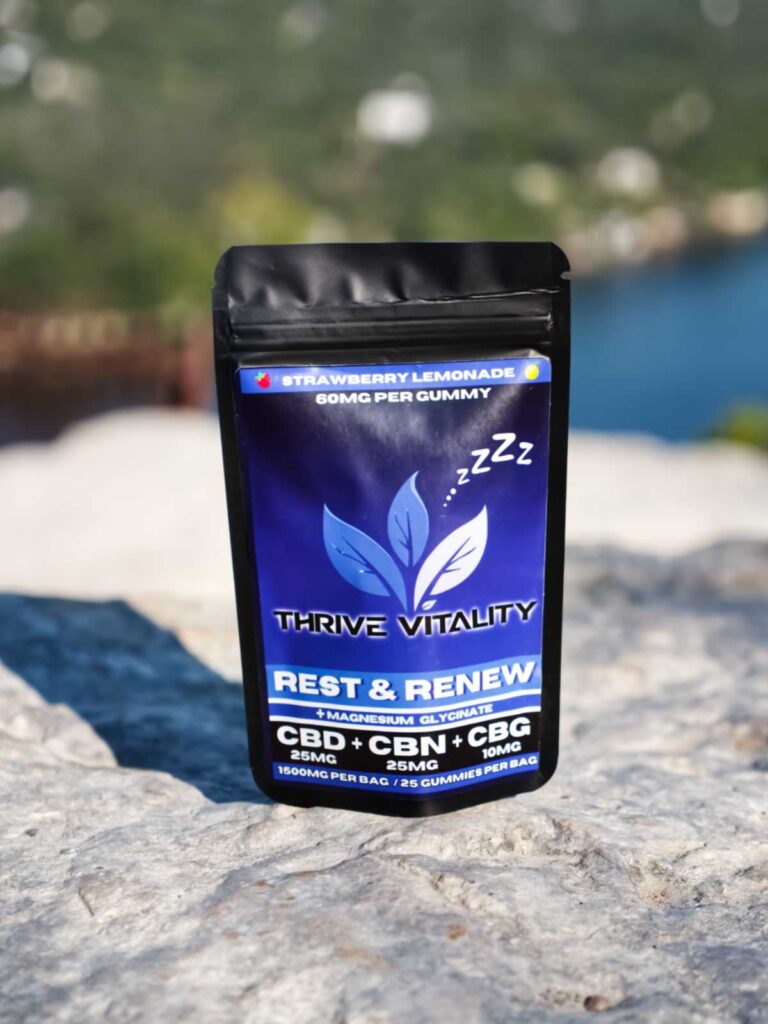



If I am interested, how do I purchase ?
If you visit our homepage you will be able to select which product best fits your needs. Then click on the shop now button. https://www.thrive-vitality.com/shop