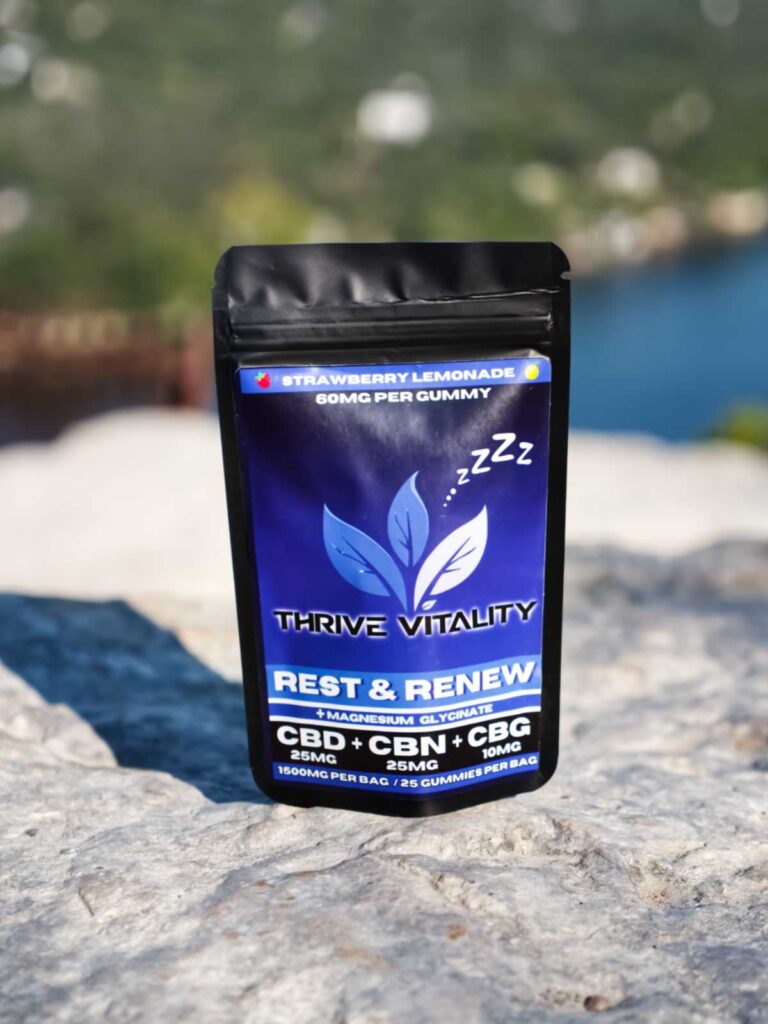
Cannabinoid Receptors and Beyond: Exploring the Endocannabinoid System
The Endocannabinoid System (ECS) is a complex cell-signaling system integral to maintaining physiological homeostasis. Discovered in the early 1990s, the ECS plays a pivotal role in regulating various bodily functions, including mood, pain perception, immune response, and metabolism (Healthline).

Structure and Components of the Endocannabinoid System
Endocannabinoids
Endocannabinoids are endogenous lipid-based neurotransmitters that bind to cannabinoid receptors. Two key molecules—anandamide (AEA) and 2-arachidonoylglycerol (2-AG)—are synthesized on demand. AEA primarily binds to CB1 receptors, playing roles in mood, appetite, and pain perception. In contrast, 2-AG interacts with both CB1 and CB2 receptors and is involved in immune modulation and inflammation (ScienceDirect). These endocannabinoids are quickly degraded to prevent overstimulation of the ECS.
Cannabinoid Receptors
The ECS operates via two primary G-protein-coupled receptors. CB1 receptors are concentrated in the central nervous system (CNS), including the brain and spinal cord, where they influence memory, mood, and motor control. CB2 receptors are predominantly found in peripheral tissues and immune cells, where they help regulate inflammation and immune responses (PMC). Additional receptors, including GPR55, GPR119, and TRPA1, are involved in ECS functions and are part of the extended “endocannabinoidome” (PMC).
Metabolic Enzymes
Key enzymes regulate the lifecycle of endocannabinoids. Fatty acid amide hydrolase (FAAH) primarily degrades AEA, while monoacylglycerol lipase (MAGL) is chiefly responsible for breaking down 2-AG (PMC). These enzymes ensure that the system remains tightly regulated.
Physiological Roles of the ECS

Homeostasis Maintenance
The ECS helps maintain internal stability when the body is challenged by stress, injury, or disease. It modulates emotional regulation, appetite control, metabolic balance, pain perception, and immune function. Furthermore, the ECS influences memory formation, body temperature, gastrointestinal motility, and the regulation of sleep-wake cycles (Harvard Health).
Key physiological functions modulated by the ECS include:
- Neuroprotection: By regulating neurotransmitter release, the ECS helps protect neurons from damage due to overexcitation or oxidative stress.
- Energy balance: The ECS influences feeding behavior and energy expenditure, especially through CB1 receptor activity in the hypothalamus.
- Stress response modulation: Endocannabinoids dampen the activity of the hypothalamic-pituitary-adrenal (HPA) axis, thus reducing the effects of chronic stress.
Cannabinoids and ECS Interaction

Cannabidiol (CBD)
CBD is a non-psychoactive phytocannabinoid that exerts its effects through indirect interaction with the ECS. It acts as a negative allosteric modulator of the CB1 receptor, binds to serotonin (5-HT1A) receptors, and inhibits FAAH, thereby increasing AEA levels (PMC). These mechanisms contribute to its observed regulatory influence on mood and inflammation.
Key properties of CBD include:
- Anxiolytic and antidepressant effects: Likely mediated via 5-HT1A receptor activation.
- Anti-inflammatory action: Through CB2 activation and cytokine modulation.
- Neuroprotective effects: Linked to oxidative stress reduction and mitochondrial support.
Therapeutic areas where CBD shows promise:
- Anxiety disorders: Generalized anxiety, social anxiety, and PTSD.
- Neurodegenerative diseases: Alzheimer’s, Parkinson’s, and multiple sclerosis.
- Inflammatory conditions: Arthritis, inflammatory bowel disease, and chronic pain.
Cannabichromene (CBC)
CBC is another non-intoxicating cannabinoid with notable affinity for CB2 receptors, where it modulates immune responses. It also interacts with TRPA1 ion channels, contributing to analgesic effects. Notably, CBC has demonstrated efficacy in reducing inflammation-induced gastrointestinal hypermotility (PubMed).
Mechanisms of CBC action include:
- CB2 receptor activation: Resulting in anti-inflammatory outcomes.
- TRPA1 channel activation: Enhancing nociceptive threshold.
- Modulation of neural stem cells: Potentially promoting neurogenesis.
Potential health benefits of CBC:
- Pain relief: Especially for inflammation-related pain.
- Mood regulation: Possible antidepressant effects through neurogenesis.
- Skin health: May reduce acne via sebaceous gland modulation.
ECS and Neuropharmacological Functions

Reward and Addiction Pathways
The ECS, particularly CB1 receptors located in the ventral tegmental area (VTA) and nucleus accumbens (NAc), plays a significant role in modulating dopamine release, which influences reward-seeking behavior. CBD may mitigate the reinforcing effects of addictive substances without inducing psychoactivity (PMC).
Addiction-related ECS roles include:
- Modulation of dopamine signaling: Regulates the brain’s reward circuitry.
- Impact on relapse mechanisms: ECS activity may affect stress-induced drug-seeking behavior.
- Therapeutic potential of cannabinoids: CBD is under investigation for substance use disorders.
Synaptic Plasticity and Memory
CB1 receptor activity is critical in regulating long-term depression (LTD) and synaptic plasticity, mechanisms essential for emotional learning and behavioral adaptation (PMC).
Receptor Agonism and Antagonism
CB1 Agonists and Antagonists
Tetrahydrocannabinol (THC) acts as a partial agonist at CB1 receptors, resulting in its psychoactive effects. In contrast, rimonabant is a CB1 inverse agonist that was once investigated for treating substance use disorders but was discontinued due to adverse psychiatric effects (PMC).
CB2 Agonists
CBC demonstrates selective activity at CB2 receptors, supporting its potential in modulating inflammatory processes without affecting cognition or motor control (BioRxiv).
Regulatory Landscape
Currently, only Epidiolex—a CBD-based medication for seizure disorders—has FDA approval. Broader marketing of CBD in food or as a dietary supplement remains restricted under federal law. Claims must not include unauthorized therapeutic indications (Self).
Endocannabinoidome Summary
The ECS is vital to maintaining homeostasis across multiple physiological domains. Cannabinoids such as CBD and CBC have demonstrated the ability to modulate ECS activity through various mechanisms. Nonetheless, further scientific exploration and regulatory clarity are required to fully understand and safely harness their potential.
References
- Healthline. Endocannabinoid System. https://www.healthline.com/health/endocannabinoid-system
- ScienceDirect. Discrimination between Two Endocannabinoids. https://www.sciencedirect.com/science/article/pii/S1074552112001445
- PMC5075023. Cannabinoid Receptor Overview. https://pmc.ncbi.nlm.nih.gov/articles/PMC5075023
- PMC7052828. Endocannabinoidome. https://pmc.ncbi.nlm.nih.gov/articles/PMC7052828
- PMC2787168. Enzyme Regulation. https://pmc.ncbi.nlm.nih.gov/articles/PMC2787168
- Harvard Health Blog. https://www.health.harvard.edu/blog/the-endocannabinoid-system-essential-and-mysterious-202108112569
- PMC10458707. CBD FAAH Inhibition. https://pmc.ncbi.nlm.nih.gov/articles/PMC10458707
- PubMed. CBC and GI. https://pubmed.ncbi.nlm.nih.gov/22300105
- PMC11878560. CBD and Addiction. https://pmc.ncbi.nlm.nih.gov/articles/PMC11878560
- PMC6041431. ECS and Memory. https://pmc.ncbi.nlm.nih.gov/articles/PMC6041431
- PMC2806672. Rimonabant Review. https://pmc.ncbi.nlm.nih.gov/articles/PMC2806672
- BioRxiv. CBC Receptor Activity. https://www.biorxiv.org/content/10.1101/2023.08.01.551199v1.full-text
- Self. Epidiolex Approval. https://www.self.com/story/epidiolex-fda-approved-cbd-marijuana